

Cardiovascular Health During Menopause: What You Need to Know
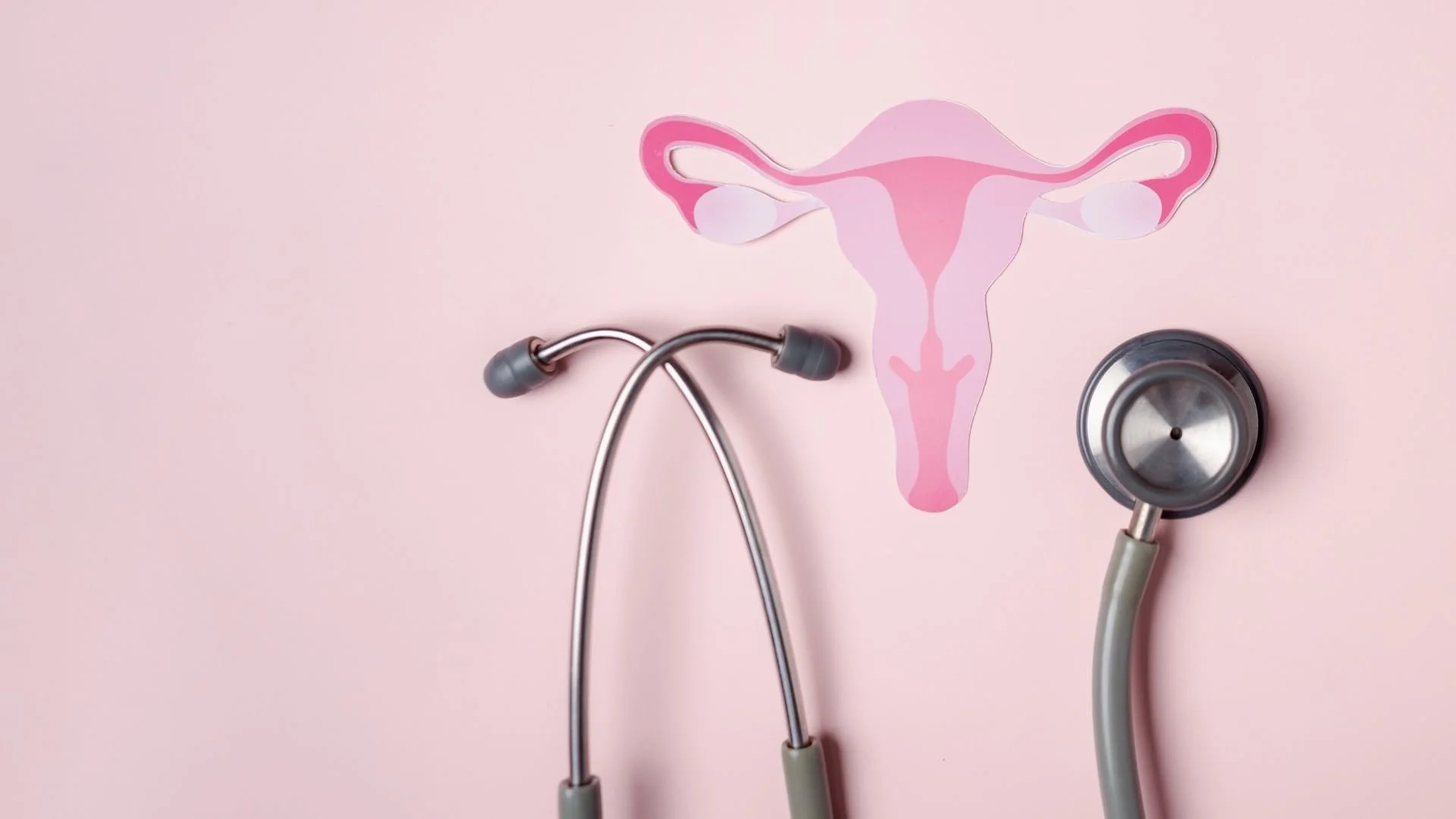
October is World Menopause Month, culminating with World Menopause Day on October 18th. This year's focus is on cardiovascular health—a topic of great importance.
Why Cardiovascular Health Matters During Menopause
After menopause, women face an increased risk of cardiovascular disease, which is the leading cause of post-menopausal women's deaths worldwide. Here's how menopause affects cardiovascular health:
Cholesterol Levels: Decreased estrogen can elevate "bad" LDL cholesterol and lower "good" HDL cholesterol, increasing the risk of atherosclerosis.
Blood Pressure: Blood vessels may stiffen after menopause, leading to higher blood pressure and susceptibility to hypertension—a major heart disease risk factor.
Weight Gain: Menopausal weight gain, particularly around the abdomen, can contribute to insulin resistance and raise cardiovascular risk.
Inflammation: Menopause can trigger inflammatory markers linked to atherosclerosis and heart disease.
Metabolic Changes: Insulin resistance and altered glucose metabolism can heighten the risk of diabetes—a significant contributor to cardiovascular disease.
Recognizing a Heart Attack in Women
Women experience heart attacks differently than men. Recognizing these signs can be life-saving:
Chest Pain or Discomfort: May be described as squeezing, pressure, fullness, or burning.
Pain in Other Areas: Back, neck, jaw, shoulder, or abdomen pain.
Shortness of Breath: Can occur with or without chest discomfort.
Nausea or Vomiting: Mistaken for gastrointestinal issues.
Sweating: Unrelated to physical activity or temperature.
Fatigue: Extreme tiredness or sudden energy drain.
Lightheadedness or Dizziness: Resulting from decreased brain blood flow.
Pain or Discomfort in Lower Chest or Upper Abdomen: Often described as fullness or pressure.
Protecting Cardiovascular Health During and After Menopause
Stay Active: Regular exercise aids weight management, blood pressure control, and heart health.
Heart-Healthy Diet: Embrace fruits, vegetables, whole grains, lean proteins, and healthy fats.
Manage Stress: Employ stress-reduction techniques like meditation and deep breathing.
Quit Smoking: One of the best things for heart health.
Regular Check-ups: Monitor blood pressure, cholesterol, and risk factors.
Hormone Replacement Therapy (HRT): Discuss benefits and risks with your healthcare provider.
Cardiovascular health is pivotal during menopause. With awareness and lifestyle changes, women can navigate this phase confidently.
OH One provides bespoke menopause sessions for teams. Employees love our Lunch&Learn bitesize live webinars!
Are you an employer looking to empower your team, train your managers, support colleagues or gain menopause legislation knowledge? Phone us on 0333 772 1697 or email us at: info@OH-One.co.uk