Working Well From Home Under Self-Quarantine for Coronavirus
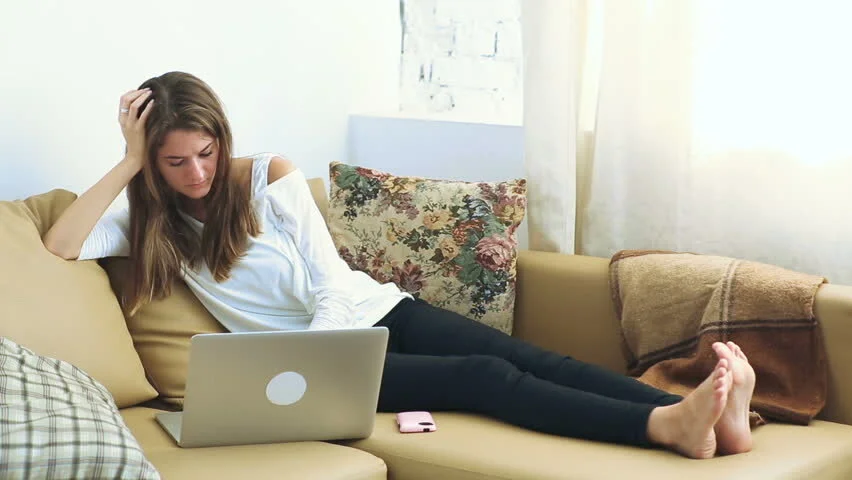
Working From Home
Different is the new normal - be kind to yourself
It's a lot - be kind to yourself.
There's a lot going on right now, so it's understandable to feel stressed about work, income, family and health - so be kind to yourself, don't feel you have to have it all worked out, you don't have to be 100% productive and pretend everything is normal.
Remember the basics.
Eat well, sleep well, get some exercise in. Even if you're not infected, your physical health and mental health are intertwined, and whilst there is heightened anxiety, it's even more important to make sure you're getting good sleep and eating well.
Exercise is even more critical, as you'll be more sedentary than usual. There's no shortage of videos online for little exercise routines you can do from home to suit your taste.
Structure your day.
Without the patterns of getting up, going to work, and returning home - it can be hard to establish good boundaries between work and home, especially if you're in the same space for a prolonged period of time.
Build yourself a structure for your day - ideally stick to what you did before, the same time waking up, getting dressed, having breakfast, the commute (use the time to read, listen to a podcast, learn something new, do some exercise), and then your working day.
Equally, at the end of your day, shut your computer off, stop checking emails, and 'finish working' at the normal time. Build in time for lunch breaks, cups of tea, even slacking off. There can be a sense of 'having to show you're working' constantly when you're working from home, but if you've agreed what work is to be done, rather than just being present, having time to relax and do other things is critical.
Check Facebook, plan a holiday, do all the things you'd do at work.
Don't rely upon text.
It's really easy to lean heavily on digital tools when you're remote, slack, email, texts, intranets, but these all lack the nuance of face to face and non-verbal communication. Mix up your use of communication forms: make a phone call, do a video chat, do a group call.
Whilst lots of people dislike conference calls or video - they're a much quicker way of communicating, and you'll feel less disconnected. Even try leaving your voice chat open: create a group voice call with your team and leave it running, so people can work away and pipe up any time.
It's odd at first, but when you start hearing the little things in the background like a dog barking, or someone yawning, it can help with disconnection.
Remember, it's not forever.
Whilst quarantine can be challenging, remember this is not forever - if we all pull together, and follow guidance to stay in place, and flatten the curve, we'll beat this thing. Unfortunately - it's not just physical health which is a problem. Poor mental health will become as much of a risk as the virus itself.
If you're reading about the virus, read trusted sources, voices of authority such as NHS and WHO, and avoid speculating articles with leading headlines. Keep track of any concerns by writing them down in a notebook, and then try to let go of the worry.
If you're feeling at risk emotionally or physically, call 111 or Samaritans on 116 123.
Info found at https://www.leapers.co/resources/little-guides/coronavirus-working-from-home