

Celebrating World Wellbeing Week: Embracing Diversity and Promoting Inclusive Wellbeing

A group of people smiling near a wall
World Wellbeing Week is a time to celebrate the diverse aspects of wellbeing that contribute to our overall happiness, fulfillment, and success.
But what does wellbeing truly mean? Well, it's not a one-size-fits-all concept.
Rather, it is a deeply personal experience that is influenced by various factors, including background, culture, beliefs, sex, age and health inequalities. In this blog post, we will explore the interplay between wellbeing and diversity, equity, and inclusion (DEI), and shed light on how understanding and embracing these differences can promote a healthier and more inclusive work environment.
The Multifaceted Nature of Wellbeing
Wellbeing encompasses more than just physical health; it encompasses emotional, mental, and social aspects as well. However, these dimensions are experienced differently by individuals due to their unique backgrounds and identities.
For instance, cultural factors influence how individuals perceive and prioritise their wellbeing, and understanding and respecting these differences is crucial.
The Role of DEI in Wellbeing
Diversity, equity, and inclusion play a vital role in promoting wellness for all individuals. A diverse and inclusive workplace fosters a sense of belonging and psychological safety, enabling employees to thrive. By embracing different perspectives and experiences, organisations can create environments where individuals feel valued and supported, positively impacting their overall wellbeing.
Addressing Health Inequalities
Health inequalities continue to persist in our society, affecting certain groups disproportionately. These disparities can be influenced by factors such as race, socio-economic status, and access to healthcare. To promote inclusive wellbeing, it is essential to address these inequalities and work towards equitable healthcare access and support systems that uplift marginalised communities.
Evidence-Based Approaches
When it comes to understanding and promoting wellbeing, it is crucial to rely on evidence and medical research. Scientific studies provide valuable insights into the factors that contribute to wellbeing and help us tailor interventions that meet diverse needs. By implementing evidence-based practices, organisations can better support their employees' wellbeing and create meaningful and sustainable change for their workforce.
The Power of Collaboration
Promoting wellbeing and DEI requires collaboration and collective action. Working together, organisations, employees, and communities can create an ecosystem that nurtures wellbeing for everyone. This collaborative effort involves creating inclusive policies, offering diverse resources and support systems, and fostering a culture that values the unique contributions of each individual.
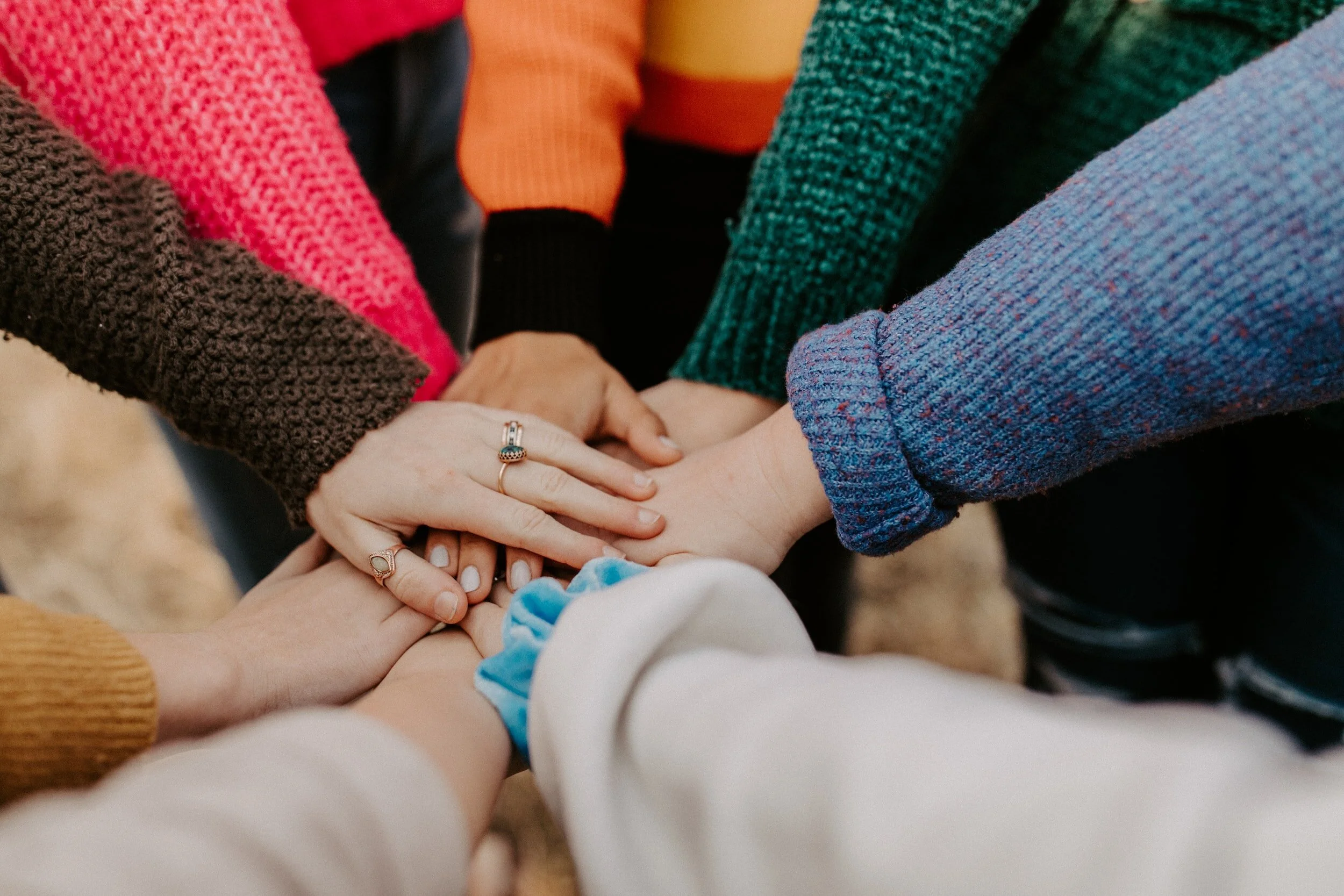
As we celebrate World Wellbeing Week this June, let us recognise the individuality of wellbeing experiences and the impact of diversity, equity, and inclusion on our collective wellbeing.
Organisations should embrace diversity, address health inequalities, and leverage evidence-based approaches, to create workplaces that prioritise and support the diverse needs of employees.
A culture of inclusivity is much needed, where each individual can thrive and contribute their best toward a brighter, healthier, and happier future.
At OH One, we are on a mission to create happier and healthier workplaces through our occupational health interventions and Wellness Programmes. We believe that every employee deserves access to occupational health and wellbeing, therefore we work with SME’s across the U.K. and adapt our specialised support to every business and employee needs.